Use content to bring people together
Practical content design tools can build the empathy, trust and cross-team understanding that dry organisational charts fail to deliver

James Gadsby Peet leads digital and strategic thinking at William Joseph
The limits of restructuring on paper
Restructures in the charity sector almost always start with neat slides, revised job descriptions and new reporting lines. Senior teams spend months debating organograms to break down departmental silos and improve operational delivery. Yet once the new structure launches, staff often retreat into protective silos while feeling bruised by the disruption and the uncertainty it brings.
Shifting boxes on a diagram cannot fix underlying relationships or unstated power imbalances. Real organisational health relies on shared understanding, empathy and mutual respect among colleagues. When we treat transformation purely as an administrative exercise, we miss the human connections that allow people to work well together.
Content offers a practical way out of this trap. Rather than debating hypothetical collaboration in abstract meetings, bringing teams together around a tangible piece of communication grounds everyone in shared delivery. It transforms cultural change into an everyday working practice.
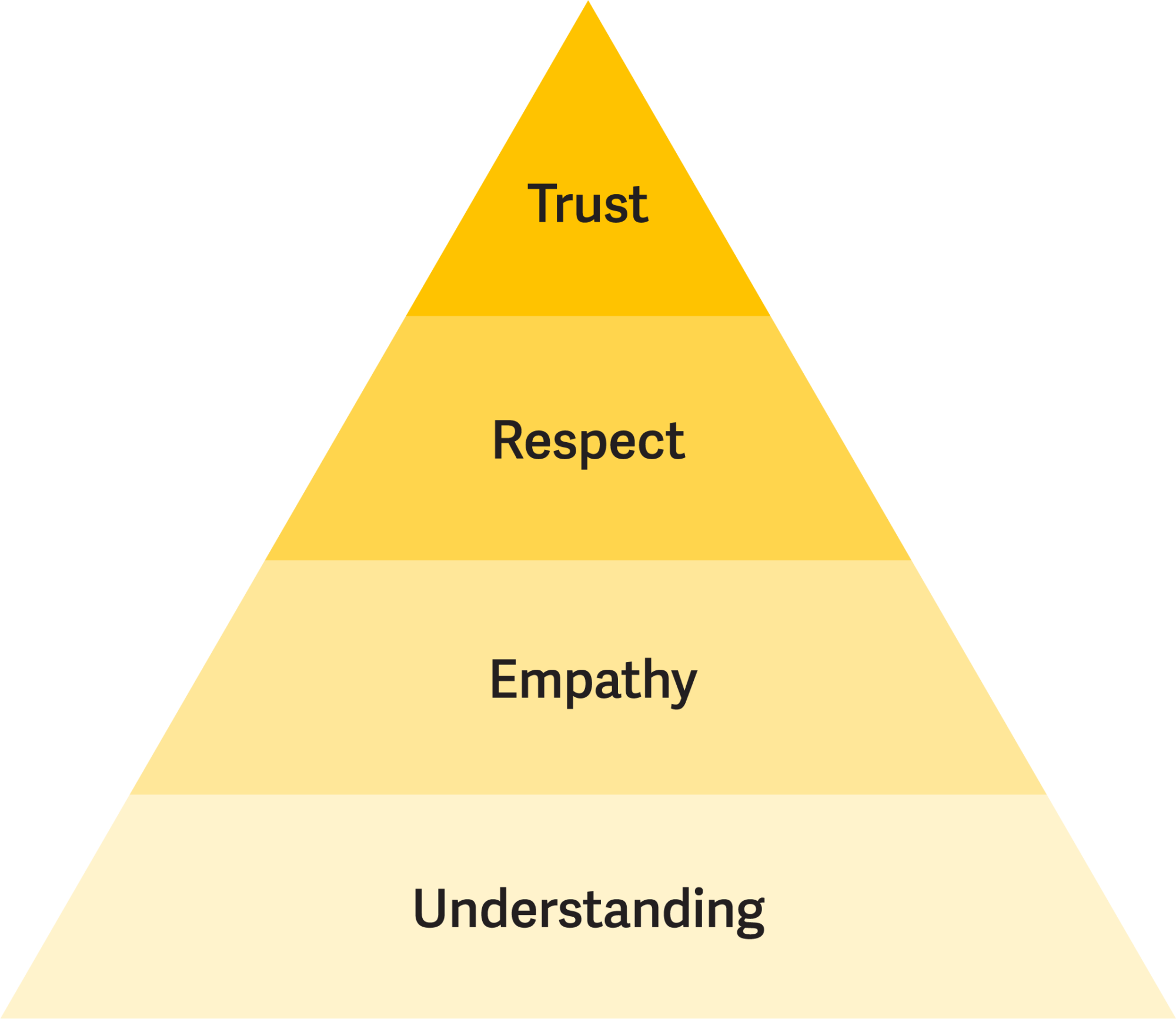
How content cuts through abstract debate
Drafting content forces colleagues to tackle different opinions head on. You cannot hide behind vague corporate language when you have to produce clear text for a real person in need. A web page or a service guide presents a concrete reality where ideas must be tested in plain English.
This process naturally centres the conversation on the people your organisation exists to support. When a policy specialist and a digital manager look at a user journey together, internal friction drops away. The question shifts from protecting departmental territory to asking what the audience needs to complete their task.
Starting with audience needs levels the playing field. It strips away traditional hierarchy and invites every contributor to be curious about how best to serve that user. That shared focus creates safety because success is judged by user clarity rather than internal seniority.
Practical tools to connect your team
Two established content design tools are particularly effective for building this connection from the ground up:
- Paired writing, which pairs a communications specialist with a subject expert to draft live copy in a single shared document.
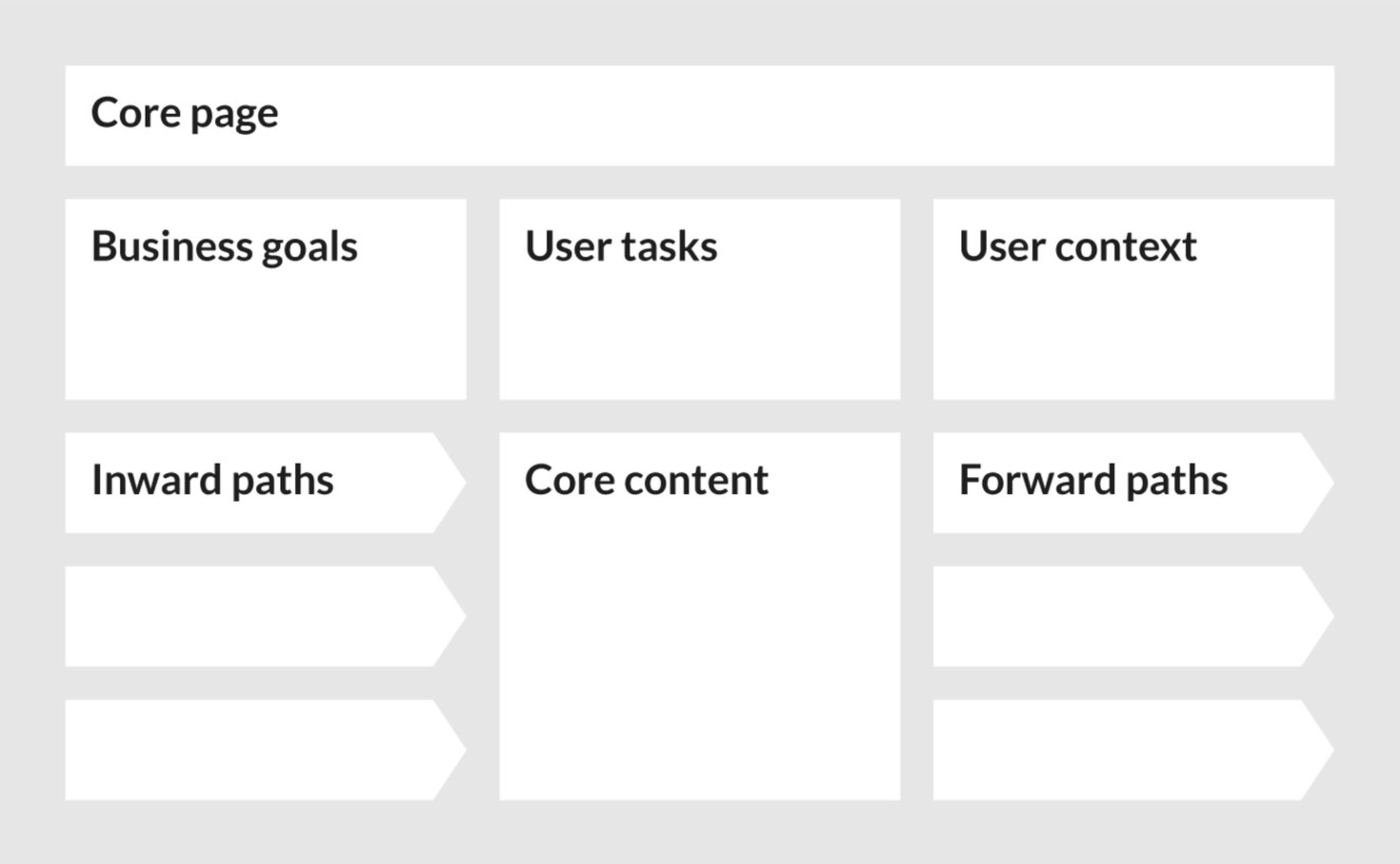
- The core model, which structures discussions around user tasks, context, business goals and inward paths before drafting begins.
Paired writing pairs two distinct skill sets in an equitable way. For example, pairing a frontline services lead with a content designer ensures deep subject expertise combines with accessible design. Both participants learn to appreciate the nuance of each other’s work while drafting side by side.
The core model provides a neutral framework that holds space for diverse perspectives. It asks teams to agree on user intent and organisational goals before writing a single sentence. This structure removes personal preference and subjective opinion from editorial sign-off.
Building trust from the ground up
When people co-create content, they build lasting relational muscle memory. Subject specialists see that digital teams are not merely an editorial barrier policing punctuation. Digital teams gain empathy for the difficult, complex contexts that frontline colleagues navigate every day.
This ground-up collaboration builds psychological safety far faster than top-down culture programmes. As colleagues test ideas together, they learn how to navigate disagreement with curiosity and respect. Those small, positive interactions build genuine trust that endures across project boundaries.
If you want your teams to collaborate, give them something real to make together. By using content as a bridge between departments, you can build an organisation that is deeply connected, genuinely equitable and focused on its users.